Skip to content
Request a quote

Choosing packaging

Cosmetic packaging: how to choose the right container

Cosmetic packaging protects the formula, shapes how your customer uses it every day and is the first thing they see on the shelf or in an online shop photo. The choice depends above all on the product’s texture. In this guide we compare tubes, bottles, airless and jars, and look at cartons, kits and minimum quantities.

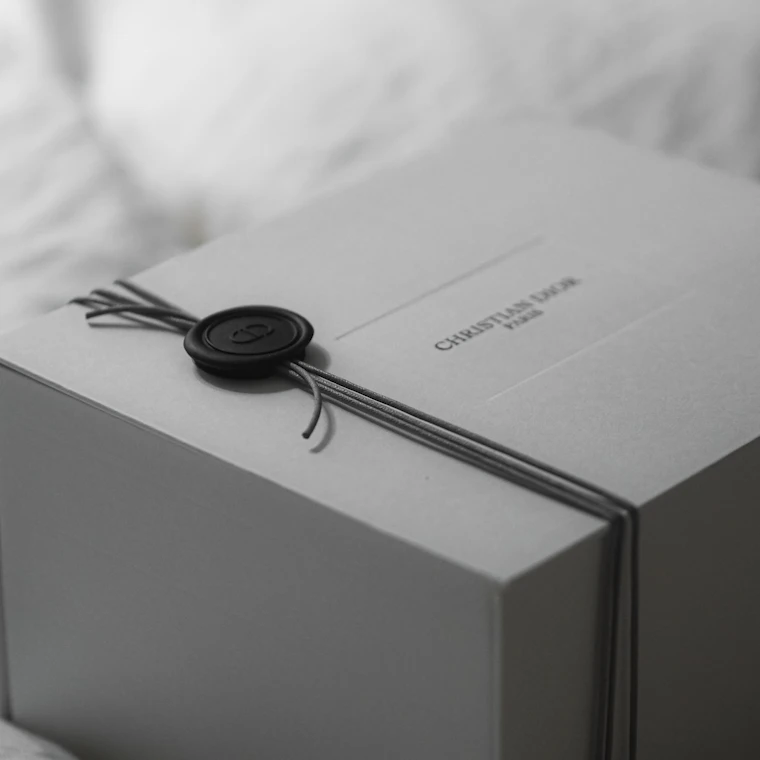
A closed white box with ribbon and seal

Formula first, then the container

Choose the container based on three characteristics of the formula:

  • Viscosity: how thick it is. A fluid cleanser flows easily from a bottle; a rich cream much less so.
  • Sensitivity: some formulas are affected by contact with air or light and need a container that protects them.
  • Use: amount per application, frequency, place of use (shower, handbag, treatment room).

Then come brand positioning, budget and sales channel. The channel matters more than it seems:

  • Pharmacies: containers that signal care and hygiene, often with a carton to carry information and warnings.
  • Online sales: leak-proof closures and outer packaging that survives shipping, shapes that photograph well.
  • Spas and salons: large pump formats for professional use, alongside retail sizes.

Tube, bottle, airless or jar: a comparison

ContainerBest forStrengthsWatch out for
TubeGels, hand and body creams, medium-thick face creamsHygienic, light, easy to dose, compactHard to empty completely
Bottle with flip-top capCleansers, fluid gels, body milksEconomical, practical in the showerLess suited to thick creams
Bottle with pumpCleansers, lotions, fluid gelsConsistent dose, handy in salons and bathroomsVery thick formulas can block the pump
AirlessCreams and serums sensitive to airProtects the formula, almost complete dispensingHigher cost per unit
JarRich creams, masks, buttersPremium look, easy to useFingers go into the product: more attention to hygiene

Gels

For gels, one of our production strengths, the most common choices are tubes and bottles with a flip-top cap or pump. A soothing travel gel suits a tube; a cleansing gel or an intimate gel is easier to use from a bottle. See the private-label cosmetic gels we produce.

Creams

A hand or body cream is practical in a tube. A face cream can go in airless packaging if the formula is delicate, or in a jar if you want a more traditional look. Discover our private label face and body creams.

Cleansers

Face, body and intimate cleansers almost always go in bottles. A cylindrical bottle is easy to label and stable on the shelf. You will find the options on our page about custom cylindrical bottles.

Hygiene and protecting the formula

Every time the product is opened, air gets in and, with a jar, fingers too. That is why:

  • Tubes, pumps and airless reduce the product’s contact with the outside.
  • A jar needs a formula with a preservative system suited to that use, assessed in the product’s safety file.
  • The PAO, the period after opening shown on the label, also takes the type of container into account.

Compatibility testing between formula and packaging

Formula and container have to get along. Some ingredients can interact with plastic, a fragrance can alter a material, a container may let air or moisture through. That is why the packaging material in contact with the product is one of the points covered by the safety report in the Product Information File (PIF).

In practice, the following are checked in the final container:

  • the stability of the formula over time (colour, odour, texture);
  • the seal of caps and closures;
  • how pumps and dispensers work throughout the product’s life.

So changing container once a project is under way is never just a design decision.

Sustainability: some general pointers

Packaging sustainability comes down to a few concrete choices:

  • Single material: a container made of one material is easier to recycle.
  • Recycled plastic: some bottles and tubes are available in recycled plastic; compatibility with the formula must be checked.
  • Less material: essential formats, cartons only where they are really needed.
  • Paper and board: for cartons and boxes you can choose certified paper.

Several EU countries require environmental labelling on packaging, with information on the material and how to dispose of it, and the rules differ from country to country; the UK has its own requirements too. Check them for each market you sell in. Avoid vague environmental claims such as “eco” or “green” without data to back them up: the same rules of clarity and proof apply as for cosmetic claims.

Secondary packaging, cartons and kits

Secondary packaging is what holds the bottle or tube: a carton, a box, a gift box. It serves to:

  • give room for the mandatory information when the container is small, including several languages if you sell in more than one EU country;
  • protect the product during transport and shipping;
  • express your brand through paper finishes and embellishments.

Paper and packaging processing is one of our strengths, together with promotional boxes and kits. A kit brings several products together in one pack: useful for corporate gifts, seasonal ranges and launches. You will find examples on our pages about custom cartons and boxes and custom cosmetic kits.

Minimum quantities and packaging

Our minimum is 500 units per SKU, meaning each product in one format. Packaging affects the minimum in two ways:

  • Stock containers, personalised with a label or printing: the simplest way to start with 500 units.
  • Containers in custom colours or shapes: packaging suppliers may have their own minimums, often higher, which need to be factored into the project.

The same goes for printing tubes and cartons: some processes have fixed costs that weigh less as quantities grow. We cover this in our guide to minimum order quantities.

We work with certified packaging suppliers we have known for years, and our in-house designers create labels and cartons and follow them through to print. Cylindrical bottles and tubes are the formats we know best: see our custom cosmetic tubes.

Frequently asked questions

Is a tube or a bottle better for a cream?

For hand and body creams, a tube is practical and hygienic. A bottle with a pump works for fluid creams and lotions; for thicker creams a tube or airless is better.

When is airless packaging worth it?

When the formula is sensitive to air or you want precise, almost complete dispensing. It costs more than a standard tube or bottle.

Are jars unhygienic?

A jar exposes the product to contact with fingers. It can be used, but the formula needs a suitable preservative system and the choice must be considered in the safety assessment.

Can I change packaging after the first batch?

Yes, but if the material in contact with the product changes, new compatibility checks and an update to the documentation are needed. It is best to plan it in advance.

Is a carton mandatory?

No. It becomes useful when the container is small and there isn’t room for all the label information, or when you want to protect and enhance the product.

Does packaging change the minimum order quantity?

Our minimum stays at 500 units per SKU. Containers in custom colours or shapes may, however, have higher minimums at the packaging supplier.

The right container for your formula

Send us your product idea: we will suggest suitable containers, cartons and artwork, with samples to approve before you order.

Cover of the checklist Launch your cosmetic line in 6 steps

Free checklist

Launch your cosmetic line in 6 steps

Choices, mandatory documents, realistic timelines and mistakes to avoid, in a 4-page PDF. What's inside

Keep reading

  • PackagingCustom cosmetic packaging from the maker of your formula: bottles, tubes, cartons and in-house design, EU and UK ready. From 500 units per SKU.
  • Cylindrical bottlesCustom cosmetic bottles filled with your formula: cylindrical, with pump, flip-top or airless. In-house design, EU and UK labels, from 500 units.
  • TubesCustom cosmetic tubes filled in Italy with your cream or gel and printed with your brand, EU and UK ready. From 500 units, delivered in 4–6 weeks.
  • Kits and gift setsCustom cosmetic kits and gift sets with your logo for companies, hotels, spas and pharmacies: formulas, minis and boxes made in Italy, in 4–6 weeks.